Get the basics right: what industry told us about scaling multimodal perception
2 mins to read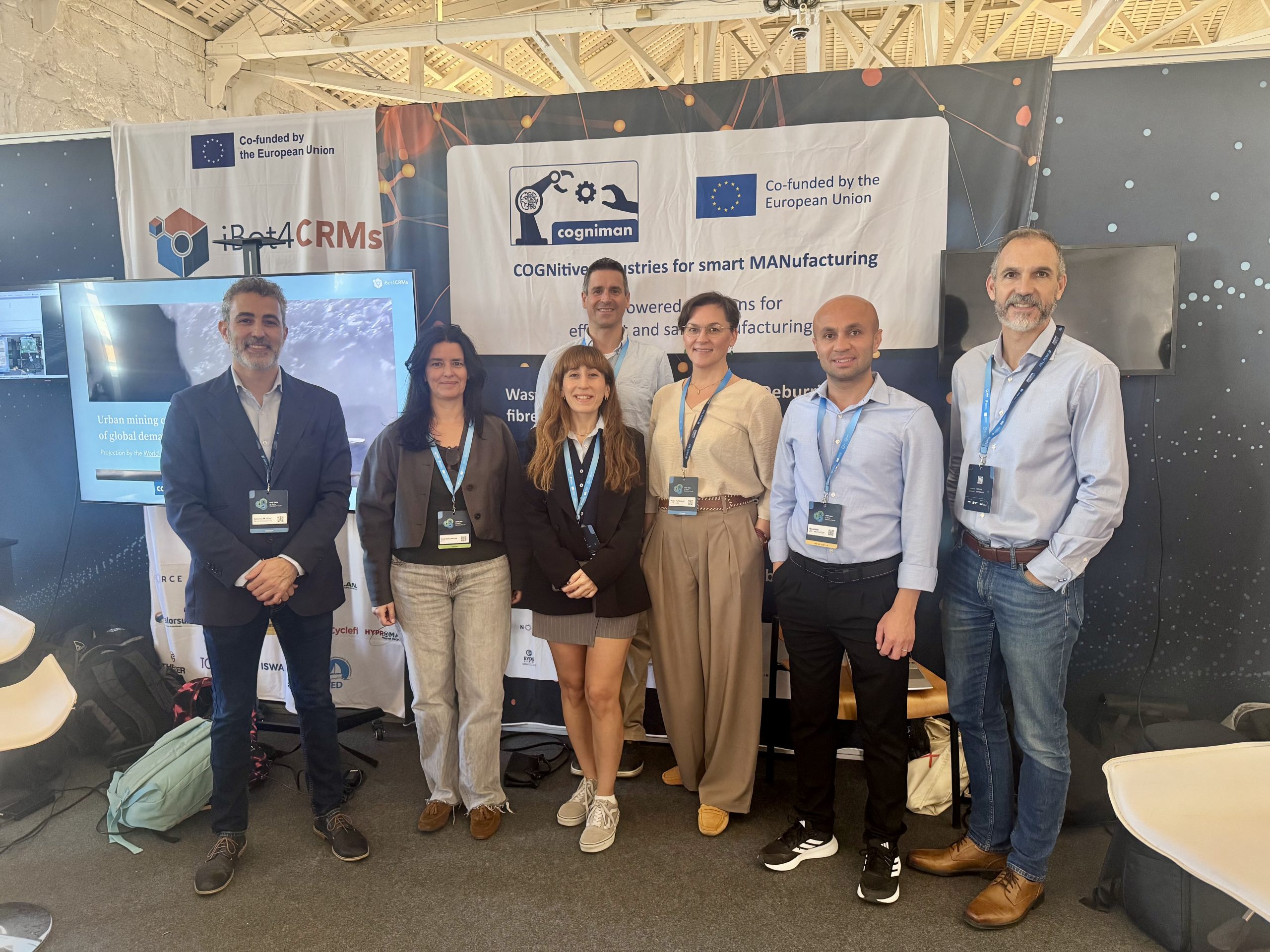
At the ADRA Forum 2026 in Porto, we asked researchers and industry practitioners what really stops robots from making it onto the shop floor. The answers were refreshingly down to earth.
Put a room full of AI, data and robotics experts together and ask them what is holding back the next generation of intelligent machines. You might expect a debate about algorithms and the latest breakthroughs in machine learning.
That is not what happened in Porto.
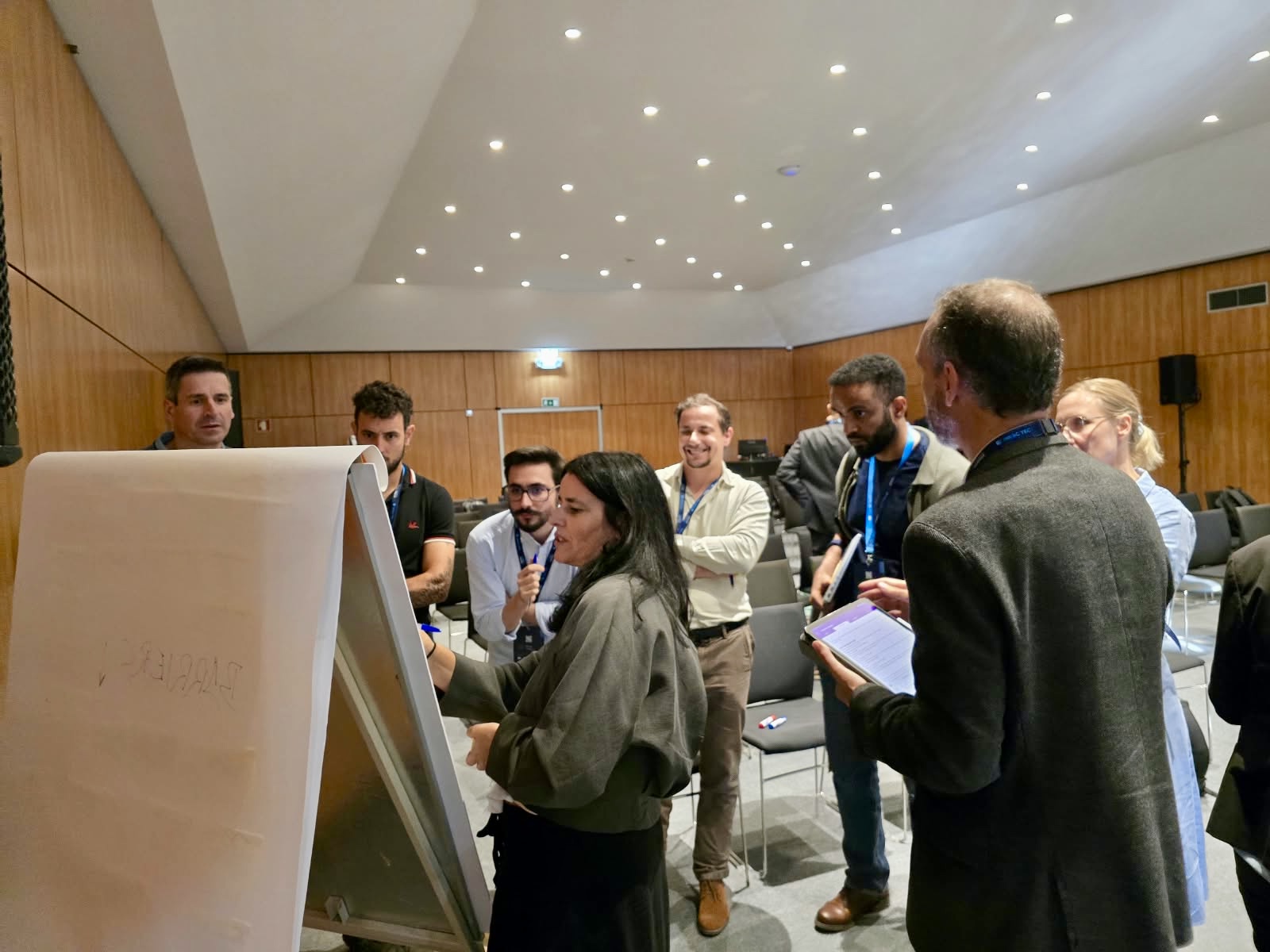
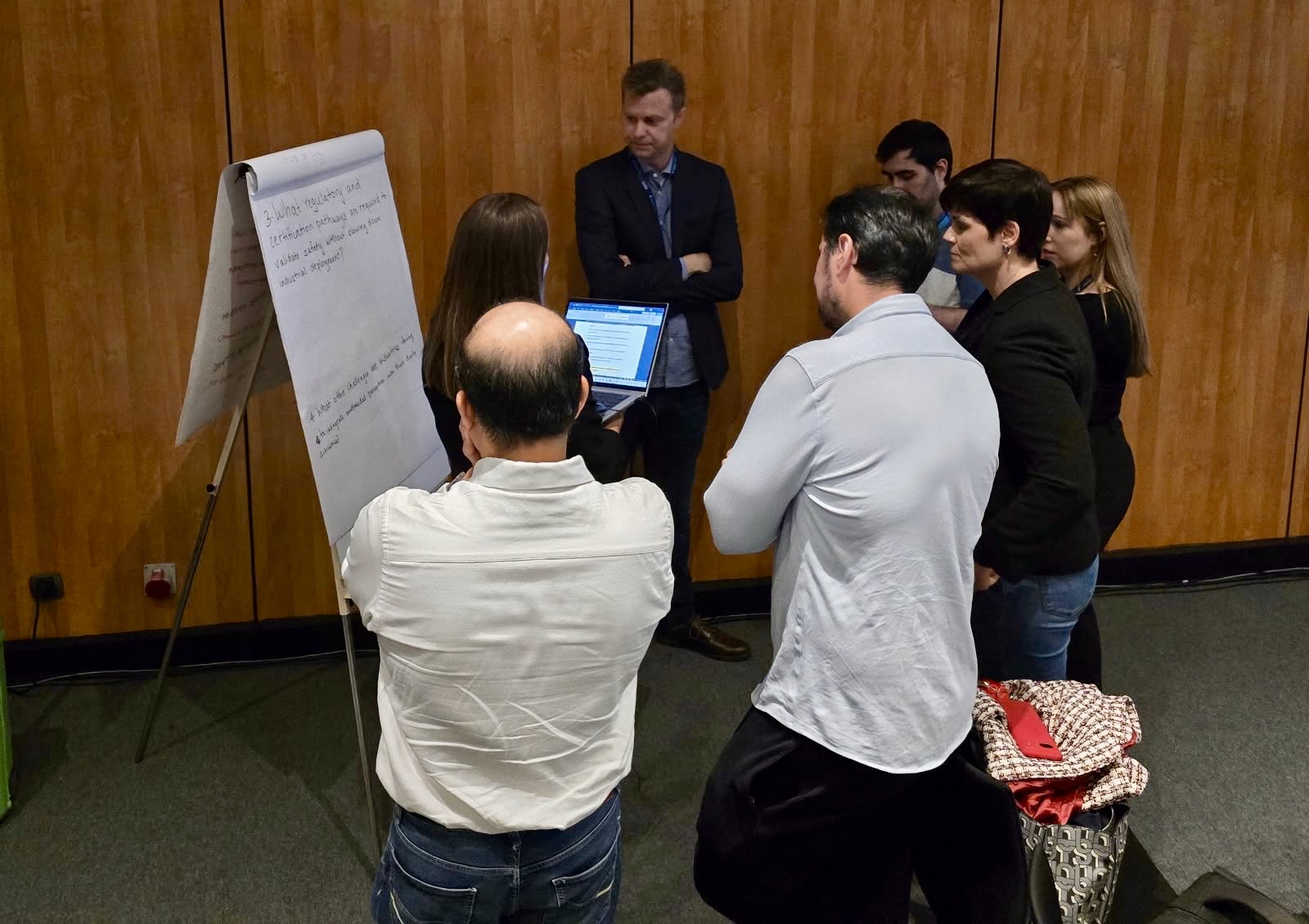
When participants at our workshop got to work on the flipcharts, their answers kept coming back to the basics: calibrating sensors properly, cleaning up data, upgrading old factory equipment and finding people with the skills to make it all work. The AI model itself barely got a mention.
The workshop
Multimodal perception combines different types of sensing, such as cameras, laser scanners, radar and touch sensors, so that a machine builds a fuller picture than any single sensor could. The technology is maturing fast, but scaling it up remains a real challenge.
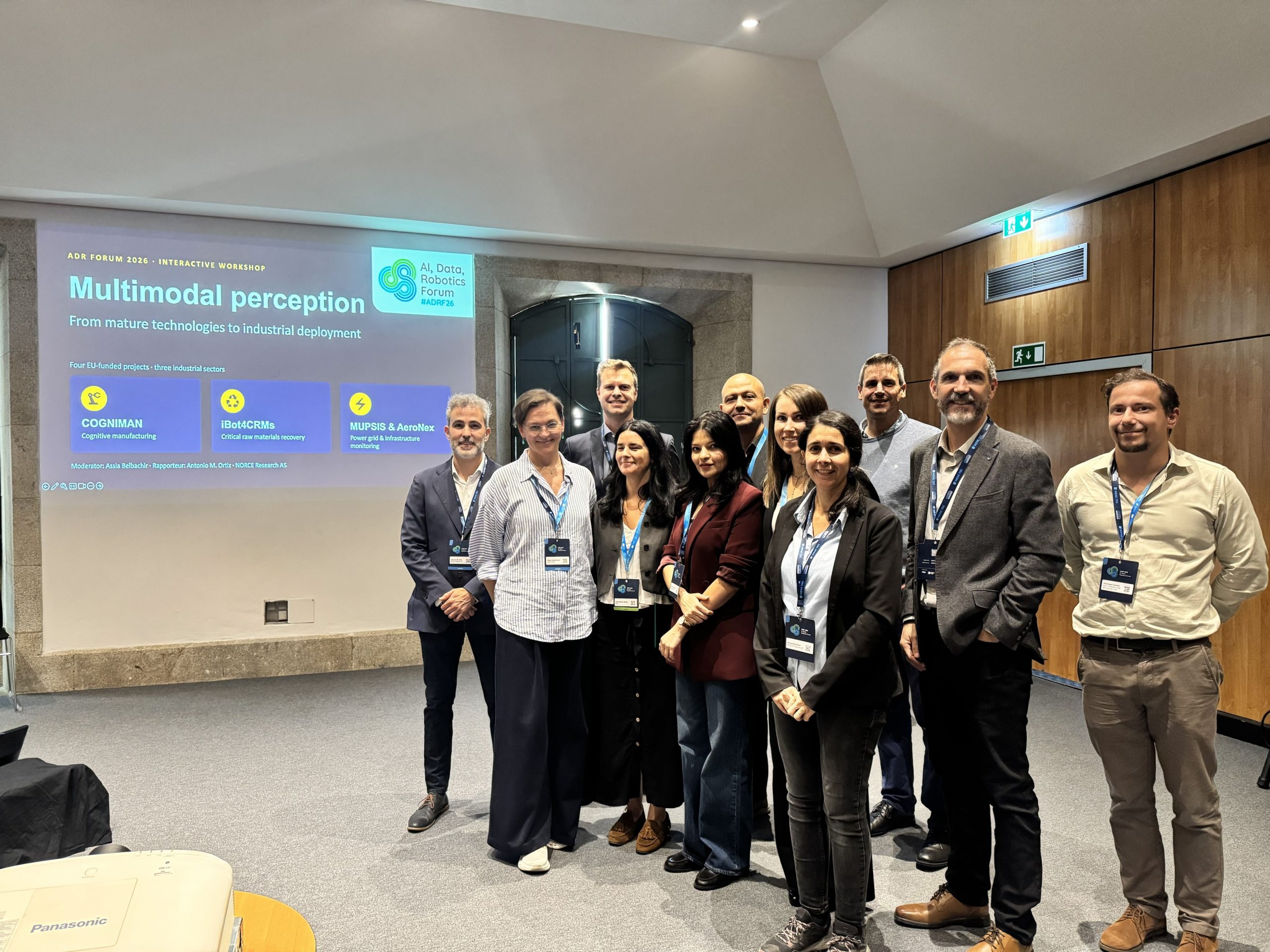
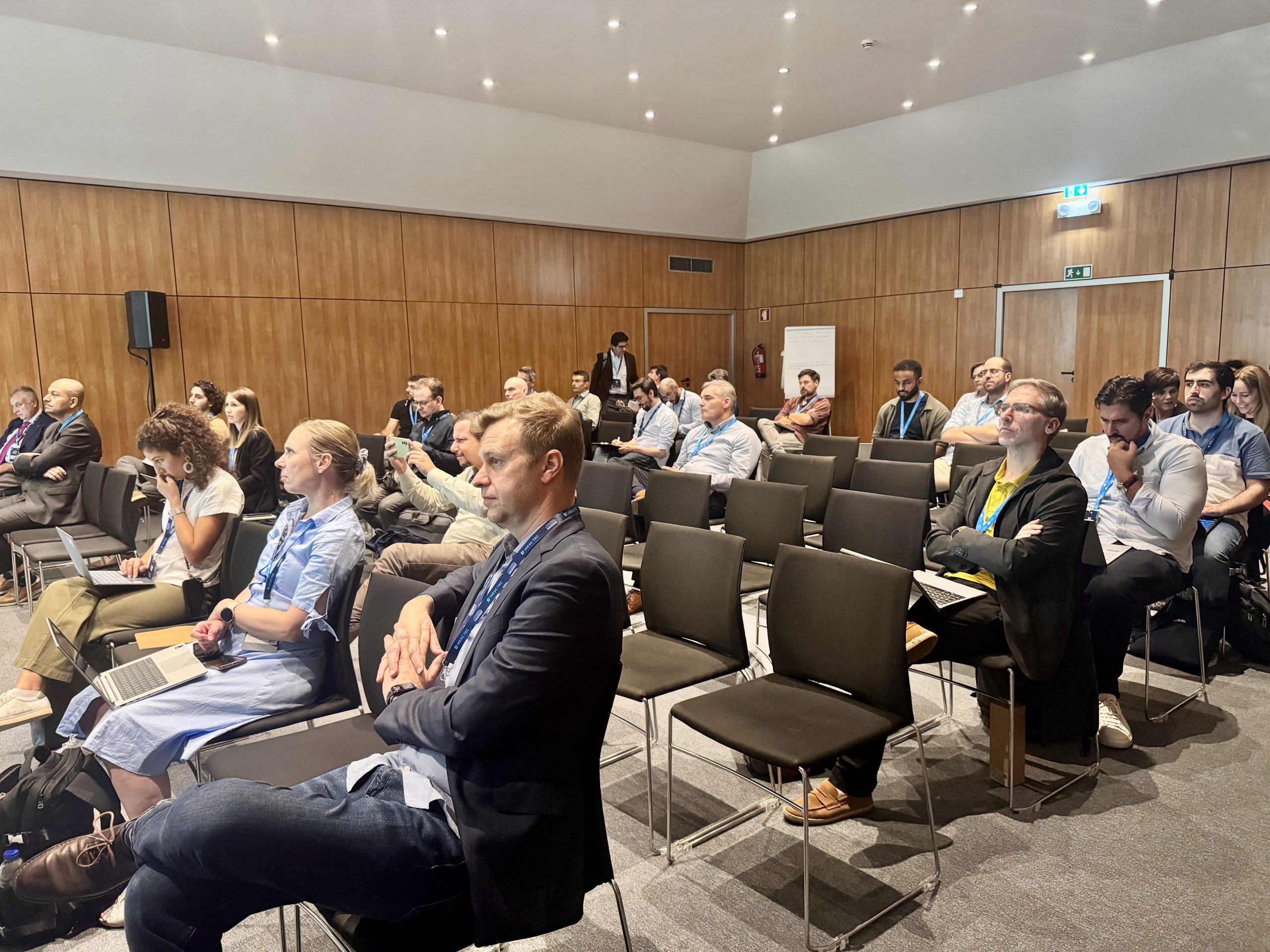
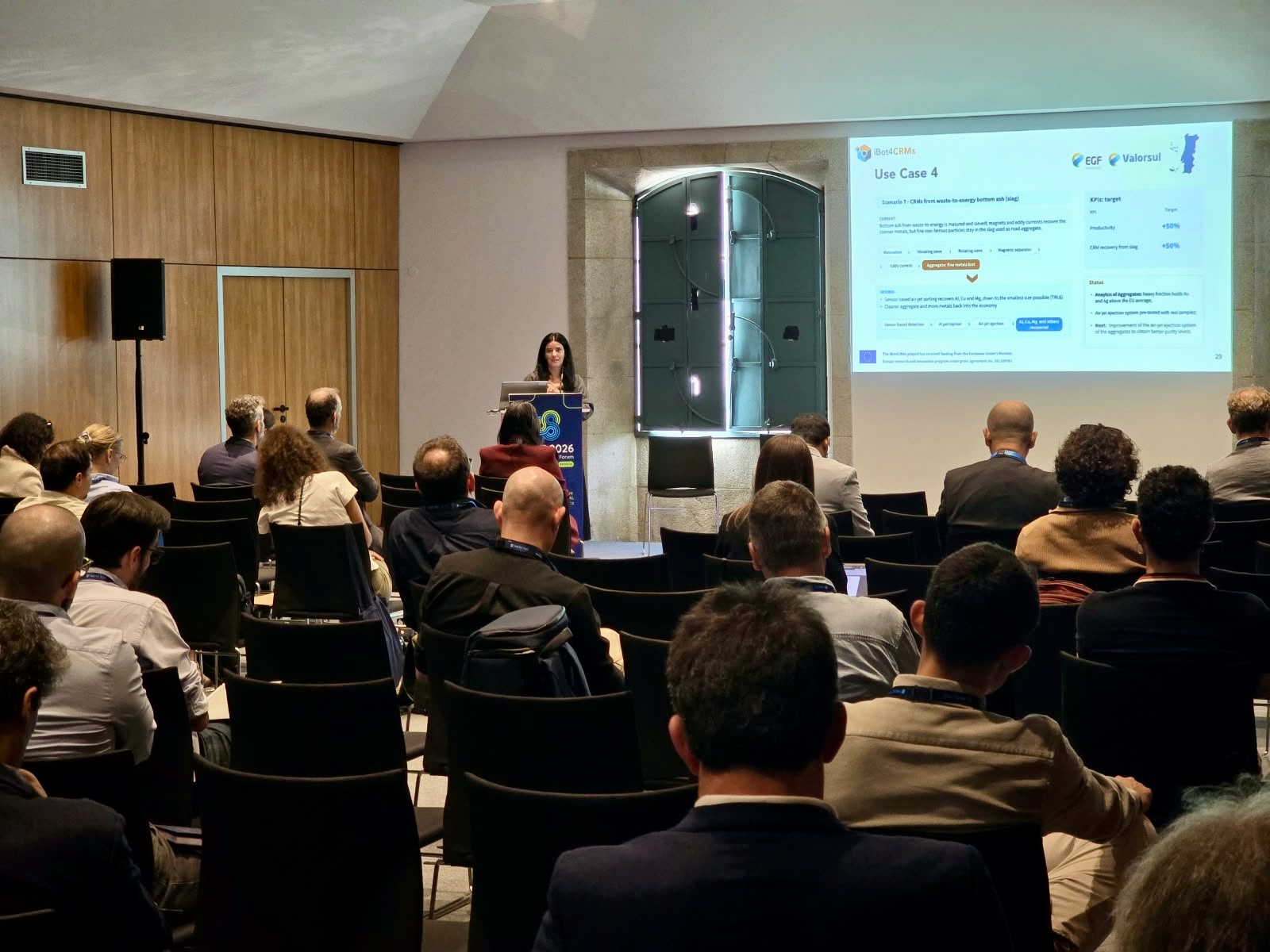
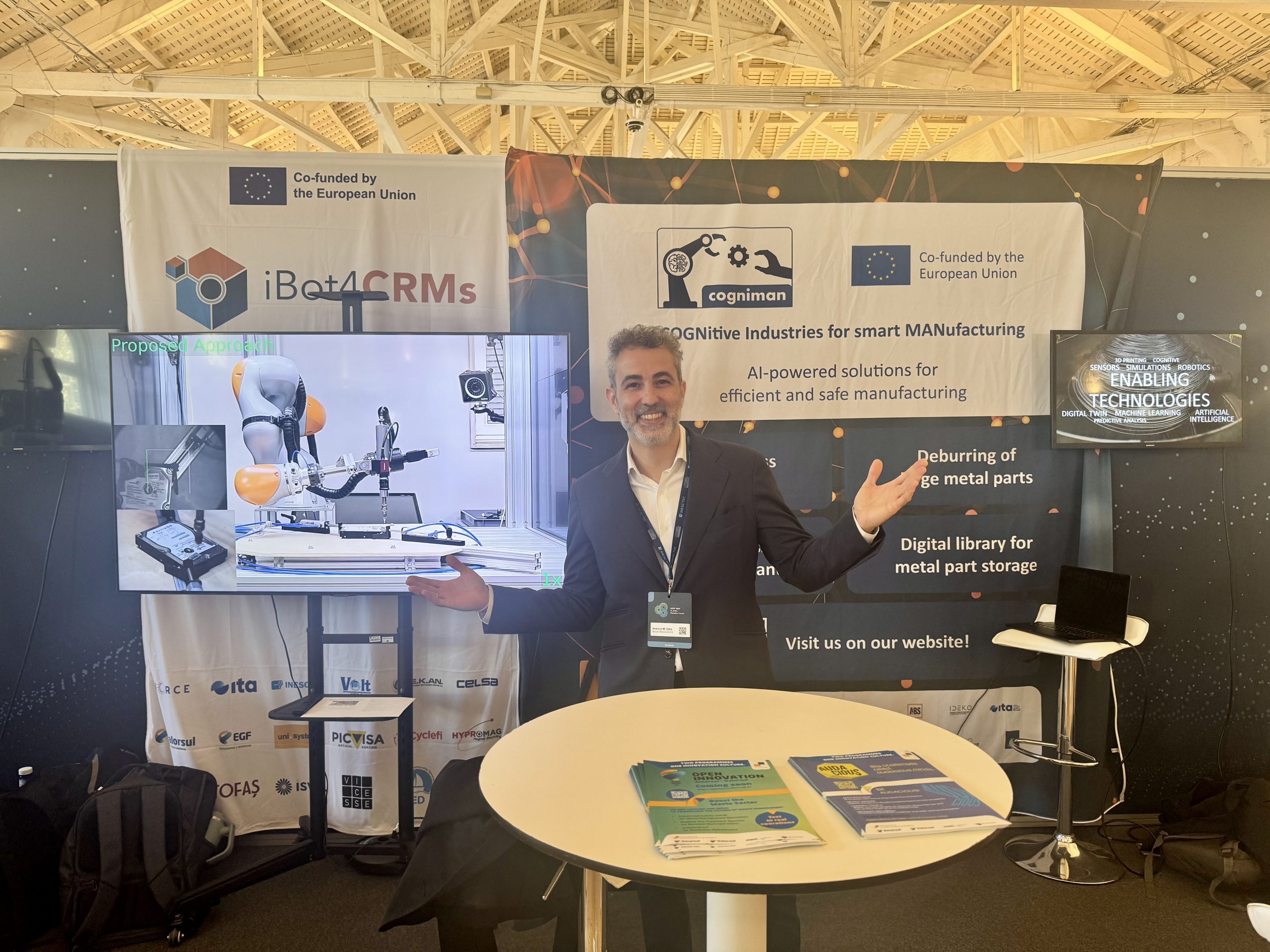
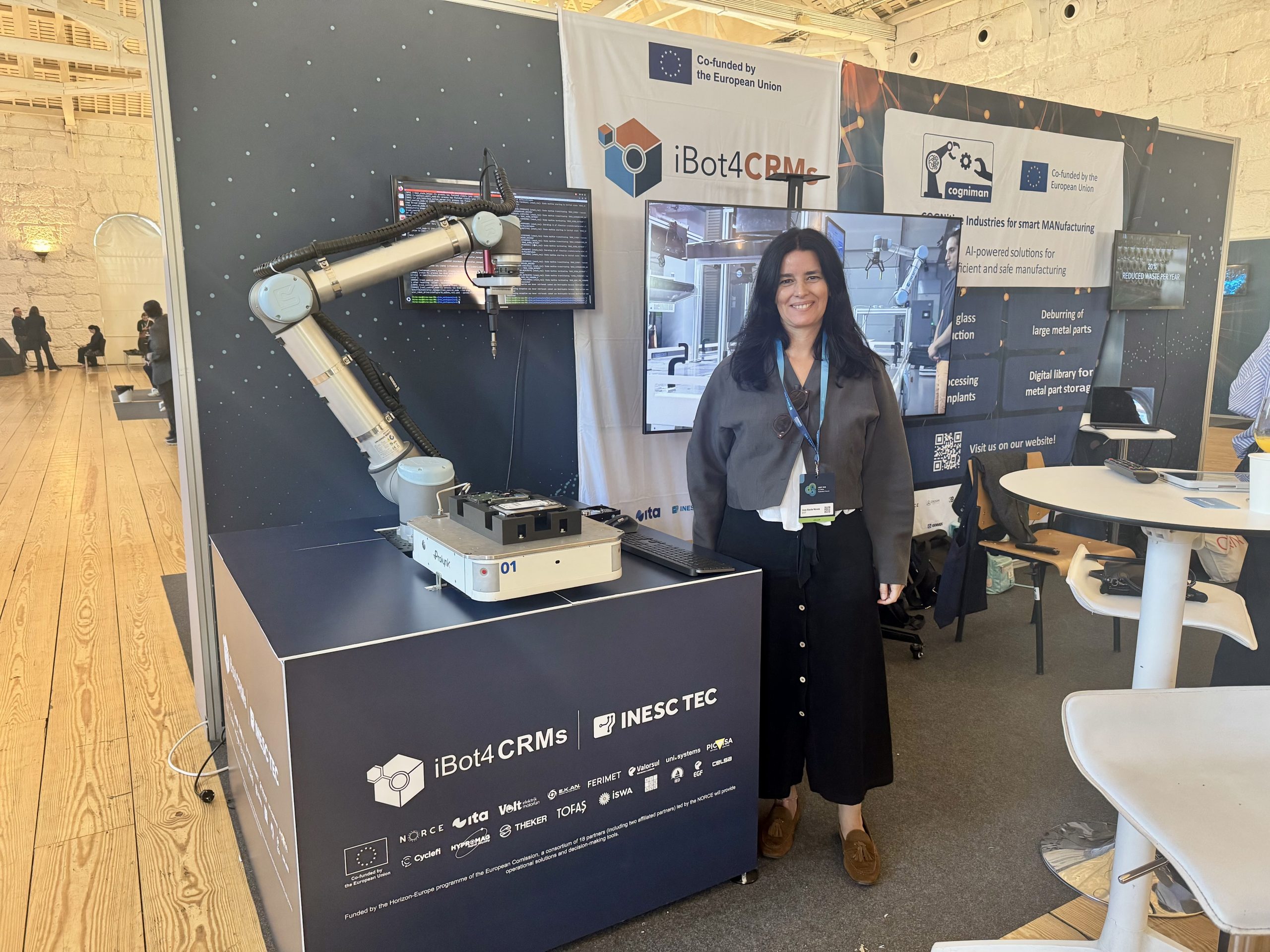
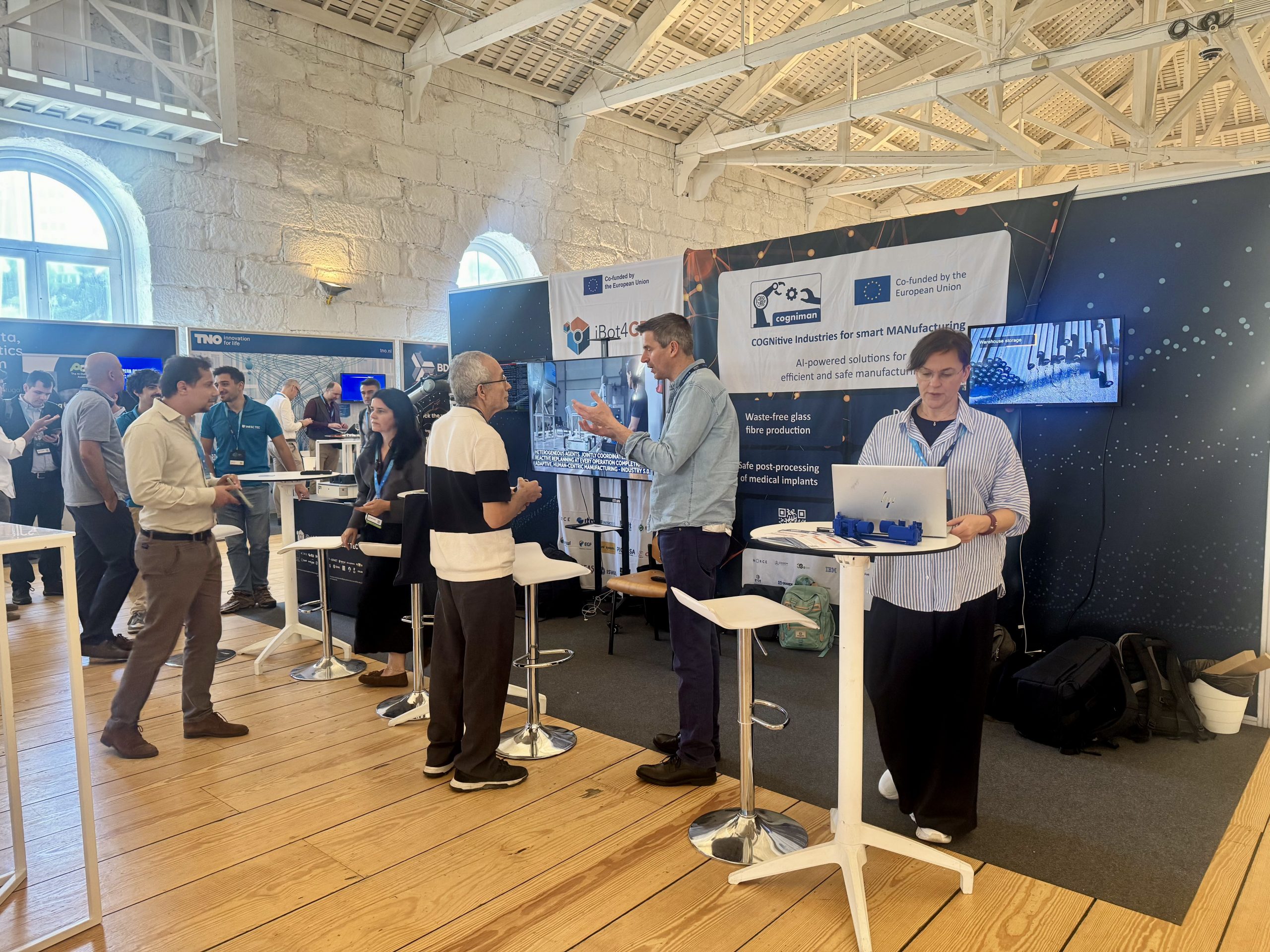
On 13 October, COGNIMAN co-organised an interactive workshop on this topic at the ADRA Forum 2026, together with iBot4CRMs, MUPSIS and AeroNeX. The four projects covered manufacturing, critical raw materials recovery and energy infrastructure monitoring. Each shared a short look at its journey from lab to real-world deployment. End users EGF and Sadales tīkls added their perspective from daily operations. Participants then split into two groups to tackle four key questions.
What the room told us
1. What must be in place before a system is ready for full-scale production?
Start with high-quality data. Treat sensors as one system rather than separate devices. Design out blind spots, and make full use of every sensor already available before adding new ones.
2. How can industry overcome scarce data and costly labelling?
This produced the most striking answer of the day: work on the foundations first. Aligning and calibrating sensors and getting the engineering right should come before reaching for AI. Participants also called for reusing expertise from existing models, taking a step-by-step approach based on how confident the system is, and above all understanding what the data actually means.
3. How can safety be validated without slowing deployment down?
Simplify and clarify regulation. Human-safety requirements also need to keep pace with the technology, so it can be deployed more widely.
4. What other challenges do industries face?
Participants pointed to outdated plants, the cost of solutions and a lack of data. They also raised security and privacy concerns, as well as a shortage of skills to implement, integrate and use these systems.
Why this matters
These insights echo what COGNIMAN’s pilots have taught us. Systems that worked perfectly in the lab needed adjusting in the factory, and simulated data never quite matched reality.
The lesson from Porto is an encouraging one. Many of the barriers to scaling multimodal perception are not deep scientific unknowns. They are practical engineering, organisational and regulatory challenges, and these can be solved when research and industry work together.
Our thanks to iBot4CRMs, MUPSIS and AeroNeX for a great collaboration, to EGF and Sadales tīkls for their real-world perspective and to everyone who brought their experience to the flipcharts.